

Why Is There Fog Between My Windows? What Failed Window Seals Mean
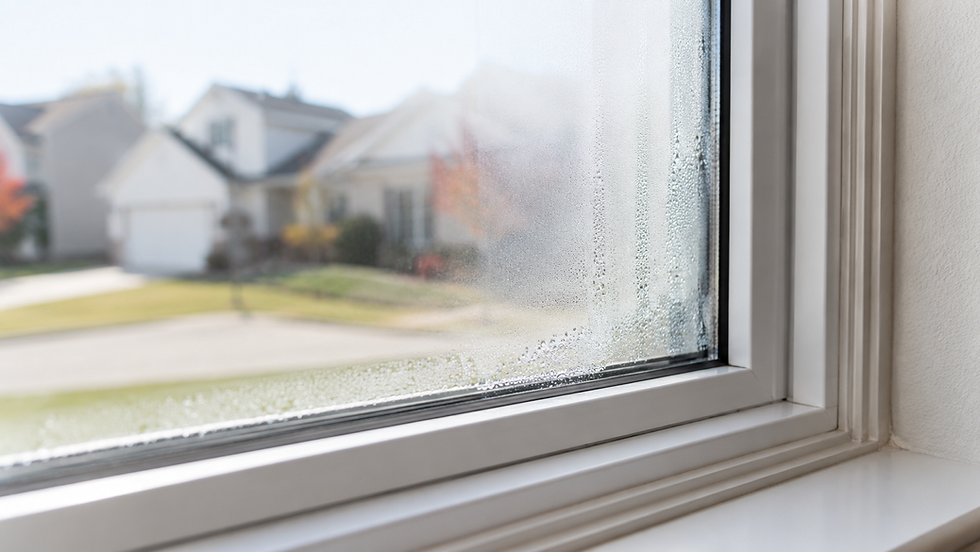
Why Fog Appears Between Window Panes
Foggy windows are more than an appearance problem. When moisture or haze develops between the panes of glass and cannot be wiped away from either side, it usually means the window’s sealed glass unit is no longer working properly.
Modern double-pane and triple-pane windows are built with separate layers of glass that create an insulated space between the interior and exterior of the home. That space helps reduce heat transfer and improves energy efficiency. When the seal around the glass fails, outside air and moisture can enter the space between the panes.
The result may be light haze in the morning, visible water droplets, cloudy glass, or a window that seems permanently dirty. Once moisture is trapped inside the glass unit, ordinary cleaning will not remove it.
How Insulated Windows Are Designed to Work
Double-pane windows contain two pieces of glass separated by a sealed space. Depending on the window, that space may contain air or an insulating gas that helps slow the movement of heat through the glass.
The sealed unit works alongside the window frame, weatherstripping, and installation materials to help keep outdoor temperatures from affecting the inside of the home as quickly. During winter, insulated glass helps reduce heat loss. During summer, it helps keep outdoor heat from entering as easily.
When the seal around the glass breaks down, the window may lose part of its insulating performance. The glass can still remain in place, but the system may no longer work the way it was designed.
What Causes a Window Seal to Fail?
Window seals wear down for several reasons. Daily temperature changes cause glass and framing materials to expand and contract. Over many years, that movement can weaken the seal around the insulated glass unit.
Sun exposure can also affect window materials over time, especially on sides of the home that receive direct sunlight for much of the day. Moisture, wind, and seasonal weather changes place additional stress on the window system.
Age is another common factor. Even well-made windows do not last forever. As windows get older, seals, weatherstripping, hardware, and frame materials may begin to deteriorate.
Installation problems can also contribute to early failure. If a window was installed out of square, fastened too tightly, or not properly sealed around the opening, stress on the glass unit may eventually cause the seal to fail.
Storms and flying debris can sometimes damage a window without breaking the glass completely. Hail, strong winds, and impact near the frame may loosen components or create small openings that allow moisture into the system.
Fog Between the Panes Versus Indoor Condensation
Not every foggy window has a failed seal. It is important to determine where the moisture is located.
Condensation on the interior surface of the glass can often be wiped away from inside the home. This type of moisture may be related to indoor humidity, cooking, showering, laundry, or limited airflow near the window.
Condensation on the exterior surface may happen during humid weather when the outside glass is cooler than the surrounding air. This does not necessarily mean the window is damaged.
Moisture trapped between the glass panes is different. If the haze cannot be reached from inside or outside, the sealed glass unit has likely been compromised.
Does a Failed Window Seal Need Immediate Attention?
A failed seal is not usually the same type of emergency as a broken window or active water leak, but it should not be ignored indefinitely. The window may continue to provide some protection, but its energy efficiency and appearance can decline.
Over time, moisture between the panes may leave mineral deposits or permanent staining on the inside surfaces of the glass. The fogging may become more noticeable during certain weather conditions and then seem to disappear temporarily, but the seal does not repair itself.
A failed seal can also make it harder to see through the window and may reduce the overall comfort of the room, especially if several windows in the home have the same problem.
How Failed Window Seals Affect Energy Efficiency
When the insulated space between the panes is compromised, the window may transfer heat more easily. During hot weather, more outdoor heat may enter the home. During cold weather, indoor heat may escape faster.
One failed window may not cause a dramatic increase in energy bills by itself. However, several aging or damaged windows can place more demand on the heating and cooling system.
Homeowners may notice drafts, uneven temperatures near exterior walls, or rooms that are more difficult to keep comfortable. These issues can also be caused by gaps around the window frame, damaged weatherstripping, poor installation, or aging window materials.
A complete window evaluation should look at more than the glass alone.
Can a Foggy Window Be Repaired?
In some situations, the insulated glass unit can be replaced while the existing frame remains in place. Whether that makes sense depends on the age, condition, brand, and construction of the window.
If the frame is still solid and the problem is limited to one glass unit, replacing the glass may be an option. However, availability of matching parts and the condition of the surrounding window must be considered.
Some services advertise drilling small holes into the glass to release moisture. This may improve the appearance temporarily, but it does not restore the original sealed and insulated unit. The underlying seal failure remains.
If the window is older, difficult to operate, drafty, damaged, or showing problems in several areas, full replacement may provide better long-term value.
When Window Replacement Makes More Sense
Replacement may be worth considering when several windows have failed seals or when the home’s windows are already reaching the end of their expected service life. Fogging combined with cracked frames, difficult operation, air leaks, damaged hardware, or recurring moisture problems often points to a larger issue.
New replacement windows can improve appearance, operation, comfort, and energy performance when they are selected and installed properly. They also give homeowners an opportunity to update window styles, glass options, and exterior finishes.
The goal is not to replace a window simply because it looks foggy. The goal is to understand the condition of the full window system and choose the repair or replacement option that makes sense for the home.
What Homeowners Can Check
Start by cleaning both sides of the glass to confirm that the haze is actually trapped between the panes. Check the window during different times of day, since sunlight and temperature changes may make the fog more visible.
Look around the frame for cracked caulk, peeling paint, water stains, warped materials, or gaps where the window meets the wall. Open and close the window to see whether it moves smoothly and locks securely.
Pay attention to comfort near the window as well. Drafts, cold glass during winter, excessive heat during summer, or moisture around the frame may point to additional performance problems.
Avoid trying to take apart a sealed glass unit yourself. Windows contain heavy glass, pressurized components in some designs, and parts that can be damaged if handled incorrectly.
Final Thoughts
Fog between window panes is usually a sign that the insulated glass seal has failed. The window may still remain intact, but it may no longer provide the same clarity or energy performance it once did.
A single foggy window may only need a glass replacement, while widespread seal failure in older windows may make full replacement a better investment. The right decision depends on the condition of the glass, frame, hardware, installation, and surrounding exterior.
If you are noticing fog between your windows, drafts, moisture, or other signs of window failure, Vanguard General Contracting can help you review the condition of your windows and discuss your options. Call 815-329-6749 to schedule an evaluation.


